
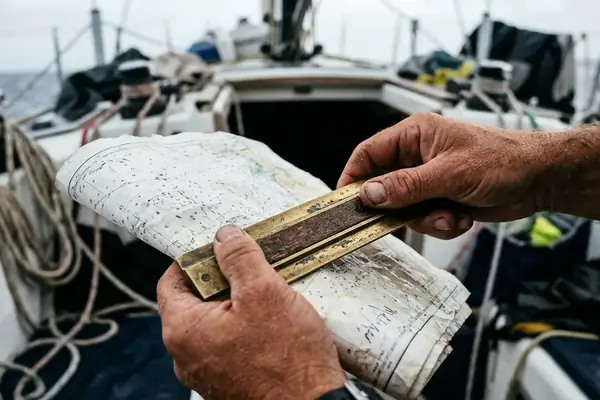
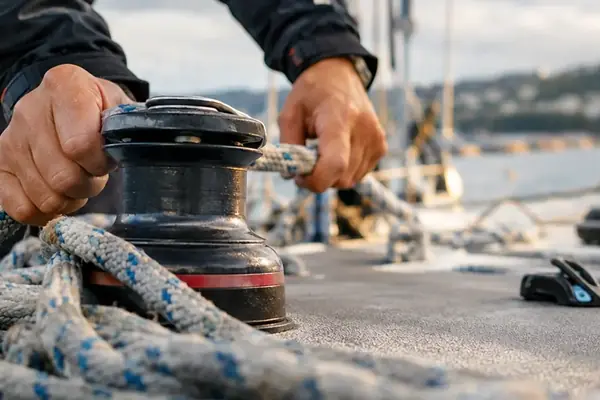

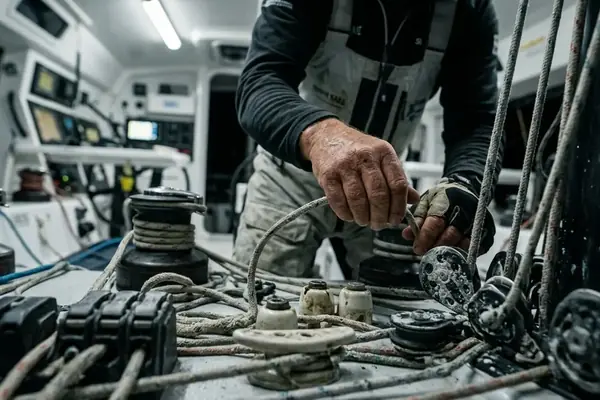
The 2008 race carried the lineage of the original singlehanded transatlantic challenge into the modern era of IMOCA 60 and Class 40 competition. What follows is a structured account, built from official classifications and contemporary race documentation, intended for sailors, historians, and anyone tracing how the fleet crossed the North Atlantic.
What This Archive Documents
The route ran from Plymouth on England's south coast to Boston, against the prevailing westerlies that have defined the course since its founding. Two classes contested the 2008 edition: the open-rule IMOCA 60 monohulls and the production-controlled Class 40s. Each demanded a different discipline from its skipper, and each produced its own race within the race.
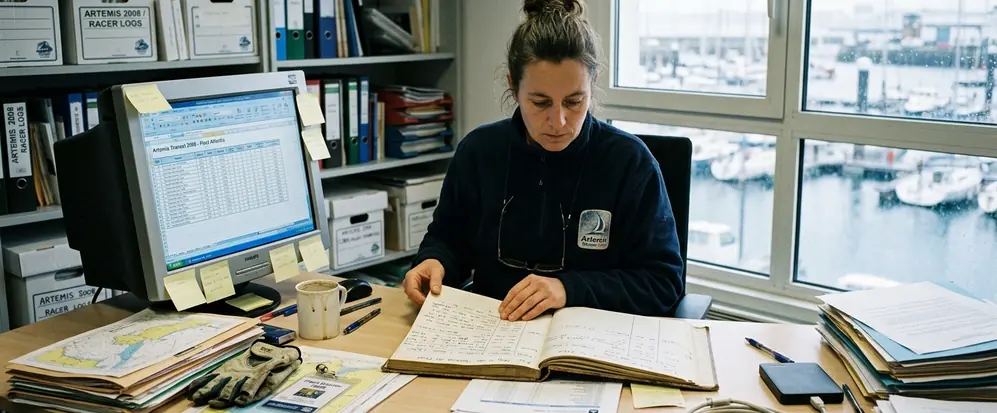
We organise the material the way a researcher would want to read it — by fleet, by skipper, by port, and by result. The IMOCA section follows the Open 60s through their westbound passage, while the Class 40 record tracks the smaller boats whose tighter rules made for closer finishes. Profiles for every solo competitor sit alongside the timing data that fixed their standings.
 IMOCA 60 Fleet
Coverage of the Open 60 monohulls that contested the 2008 edition.
IMOCA 60 Fleet
Coverage of the Open 60 monohulls that contested the 2008 edition.
 Class 40 Fleet
The production Class 40 competitors and their results.
Class 40 Fleet
The production Class 40 competitors and their results.
 Solo Skippers
Profiles and performance data for every participant.
Solo Skippers
Profiles and performance data for every participant.
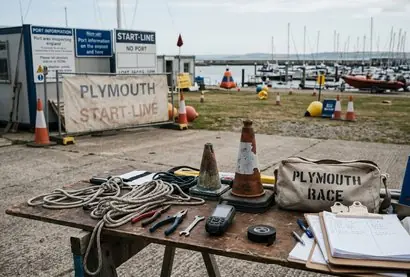 Plymouth Start
Start-line logistics, port information and pre-race activity.
Plymouth Start
Start-line logistics, port information and pre-race activity.
 Boston Finish
Arrival procedures, finish-line records and post-race ceremonies.
Boston Finish
Arrival procedures, finish-line records and post-race ceremonies.
 Race Results
Official classifications, elapsed times and class standings.
Race Results
Official classifications, elapsed times and class standings.
How to Read the Record
Start with the start. The Plymouth section covers Sutton Harbour and the pre-race village, the staging ground where the fleet prepared before the gun. From there the natural path leads to the daily logs and the comprehensive race archive, where the westbound passage unfolds day by day.
If you came for outcomes rather than narrative, the official overall standings give the cleaner answer. Boston's finish-line records close the loop, documenting arrival order and the elapsed times that separated the boats after thousands of miles of solo sailing.
For the deeper history, the account of the OSTAR's origins traces the lineage from Blondie Hasler's founding vision through to the modern Artemis Transat — useful context for understanding why the 2008 fleet looked the way it did.
Bottom Line: Every classification and elapsed time here is drawn from official 2008 race documentation. Where contemporary sources disagree on minor timing details, we note the record as published rather than reconciling it silently.
The People Behind the Archive
This record is maintained by a small group with backgrounds in offshore racing analysis and maritime history. The work is documentary rather than promotional — our aim is an accurate, navigable account of a single edition, not a celebration of it.

Eleanor Hargreaves, our Senior Maritime Strategy Analyst, handles IMOCA fleet positioning, sponsor economics, and the archival context that frames each result. Harriet Penrose works the Class 40 evidence and timing data, applying a consistent methodology to the performance figures. Marsha Baptiste, a yacht racing historian, documents the port-city history and the public reception in Plymouth and Boston.
One caveat worth stating plainly: archival race data from 2008 carries the gaps of its time, and a handful of intermediate position reports survive only in fragmentary form. We mark those gaps where they occur rather than filling them with estimates.
View the Official Results About the Archive44+Fleet Entries
13K+Transatlantic Miles
473+Archived Race Results
40+Solo Skippers